Editing: the WD40 of writing
I am currently on Submission. Or, more accurately, Mrs Wood is on Submission.
Whenever I think about what’s happening in the ether, I hear this weird mash-up of both the theme from Jaws and Here Comes The Sun. A discomfiting medley indeed.
But there is no time, nor need, for glibness. Because submitting my novels to editors is what I’ve been working towards for forty years. I wrote my first story when I was a gap-toothed, mullet-haired six-year old. The cleverly named Carlos the Racehorse, was a sweeping, illustrated saga about a horse who runs a race and wins it (oh, the complex narratives; oh, the emotional conflict; oh, the dramatic tension!). It was edited by my Dad who suggested I not use the word knackered when the jockey is asked how Carlos the Racehorse is feeling after winning the race. He was right, and it was my very first introduction to the value of editing.
Not that I listened, obvs.
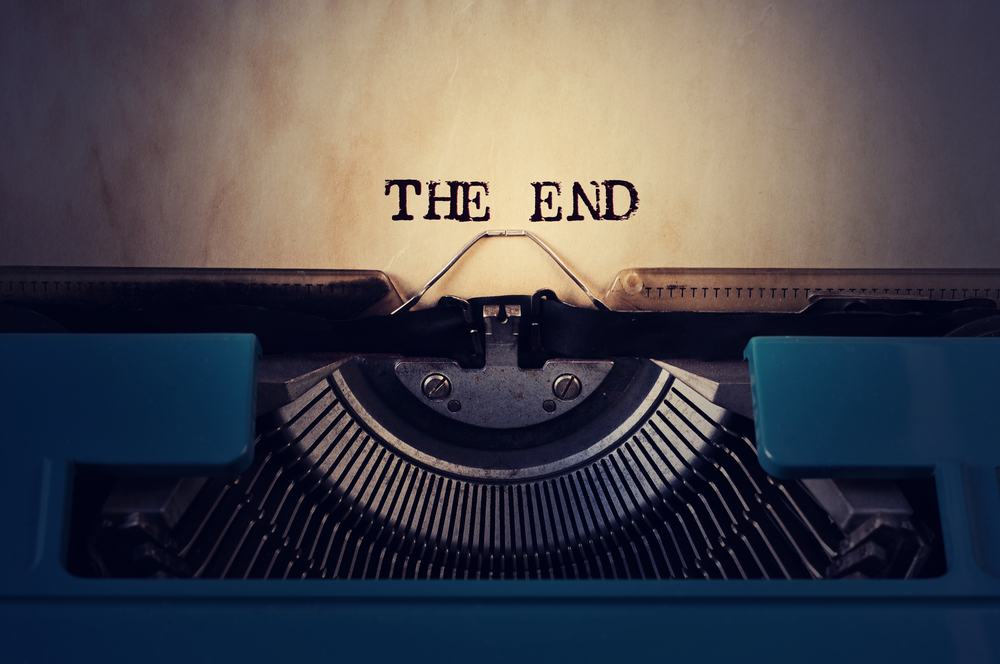
My writing continued, through ghost stories and plays about pixies and elves and magical lockets that I would write, direct and produce for school assemblies, to the dark teenage years of death and rape and boys who didn’t call. After typing The End on every single one of those projects I would whip the paper from the typewriter (remember those!) and consider it perfectly complete.
It wasn’t until I was in my mid-30s that I finally committed to a proper writing course. I’d written several unsuccessful novels by that point, all of which followed my usual Write-Finish-Submit route, and I did the course because I had no confidence in my ability to plot. I thought THAT was where my problem lay. Everything I wrote ended up feeling childish, unsophisticated and really, really shit. I worked really hard on developing a plot but it turned out that wasn’t where my problem lay. That whole Write-Finish-Submit route was missing one vital ingredient.
Write-Finish-EDIT– Submit
One of my favourite anecdotes from a writing course was some guy saying he knew all about editing, thanks – how hard was it to go through his book and change a few ands to buts, after all.
God bless him.
The change for me came when I realised that EVERYTHING anyone writes is childish, unsophisticated and really, really shit when it’s first written. Plots are holey, language is cliched and scatty. EVERYONE who writes has this point. Because the only way you can get to know your plot, how it works, its nuances, its complexities … all of it, is to know what works and what doesn’t. The same with writing. And that doesn’t happen in your head: it comes with graft and tens of thousands of discarded words and one million drafts.
Editing is EVERYTHING. It’s not the glittering words or the thrilling plot, it’s the mop and the bucket; the floor cloth made out of old pants and the rusty old can of WD40. Yes, the plot is important, but editing is where that plot comes together. Yes, the writing is important, but editing is where your writing gets its glitter. Editing Is Everything.
Depressingly, writing a book isn’t as simple as Write-Finish-Submit, but nor is it, thank God, as complex as excel spreadsheets with each beat of the plot highlighted at exactly the mathematical point in the story. It’s about whittling this gloriously gross hunk of wood down, down down, to this precise, needle-sharp arrow that goes straight to where you’re aiming.